
 Download PDF
  Ratings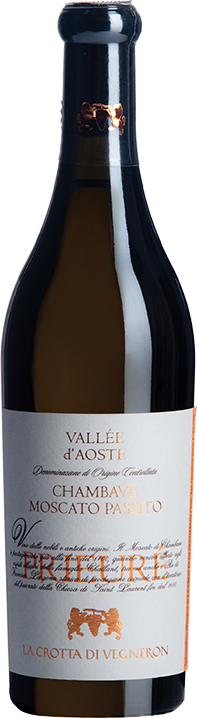
La Crotta di Vegneron


In 1980, a group of local winemakers foresaw viticulture as a way to revive their beautiful land in the Aosta Valley mountains. La Crotta di Vegneron, which translates to The Winemaker’s Cellar, was formed, and included 25 original members. By utilizing the areas around grazing land and fruit farms, they were able to safeguard the hillsides from natural disrepair in terms of hydrogeology. After nearly 40 years of work, the original vineyards that had been abandoned after World War II, have returned to their former glory, generating exceptional grape harvests. Today, there are more than 50 members producing 200,000 bottles of wine.
The grapes are collected from two important production areas that give their name to the Designations of Origin: Chambave, which includes the municipalities of Châtillon, Pontey, Saint Vincent, Saint Denis and Verrayes, and Nus, which includes the municipalities of Quart and Fénis. The soils of the Aosta Valley are of moraine origin, mainly composed of sand (80%) and the remaining part of silt. The clay content is minimal, at most 10%. The soil is sub-alkaline with an abundance of coarse sand and is usually not very deep. The 20km of the central valley going from Saint Vincent to the border between Nus and Quart are the driest portions of the Aosta Valley. The rainfall in the Chambave production areas is less than 500mm a year, dropping to under 90mm in the period between June and September. The winds are gusty, blowing daily from March to October, resulting in drastically lower humidity. In the summer, temperatures plummet overnight, which uniquely molds the aromatic profiles of these grapes. Due to these climatic conditions, manual irrigation is part of traditional farming practices.
The wines of La Crotta di Vegneron powerfully express the spirit of the Aosta Valley mountains through native or traditional vines, skillfully cultivated with pride. The winemaking processes are respectful of a unique territory marked by a multitude of variants. La Crotta’s story is based on people with solid roots in the glorious Alpine region. They are generations of skilled viticulturists who have an ongoing determination to achieve the highest quality from their vines. Today, they continue the ancestral tradition of the “compagnards”, drawing its strength from the ancient relationship between indigenous vines and the territory. The goal is to achieve sustainable precision viticulture, in which human intervention is compatible and respectful of the territory. ‘Hillside, sun, stone and wind’ is not just a slogan but the summary of their land: they are the pillars of sustainable viticulture.
Average annual production
180,000 bottles


Total vineyard extention
21 ha
Planted varietals and extension
Pinot Nero - 2 ha
Moscato Bianco - 8 ha
Syrah - 0,7 ha
Muller Thurgau - 2,20 ha
Pinot Grigio - 1 ha
Petit Rouge - 2,93 ha
Cornalin - 0,20 ha
Fumin - 2,10 ha
Gamay - 1,30 ha
Petite Arvine - 0,5 ha


Vine training system
Guyot - 85% -
Cordon spur - 85% -
Cultivation method in the vineyard
Grass is left or not depending on the vigour of the vines - 85% -
Grass left on the aisles between the vines - 15% -

Type of viticulture
Integrated - 100% - (certified by 'Equalitas')


La Crotta di Vegneron
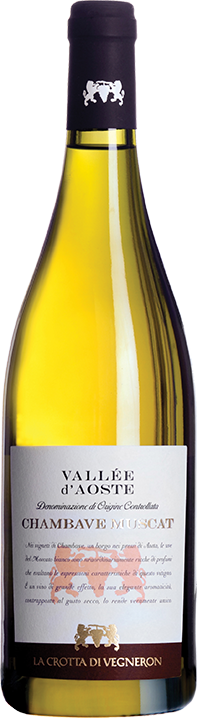
La Crotta di Vegneron
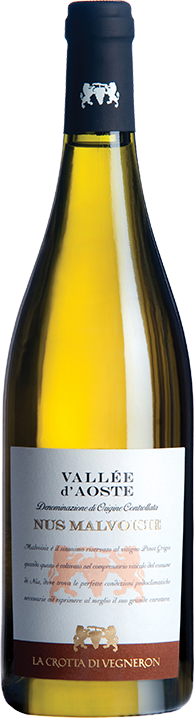
La Crotta di Vegneron
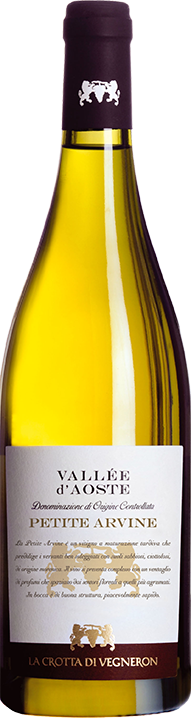
La Crotta di Vegneron

La Crotta di Vegneron
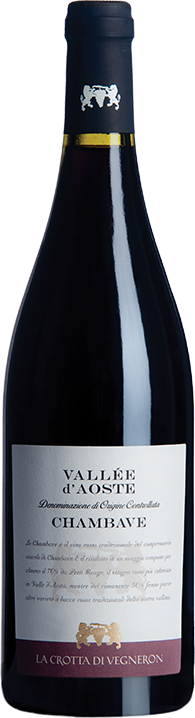
La Crotta di Vegneron
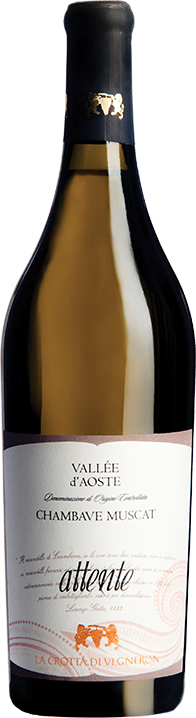
La Crotta di Vegneron
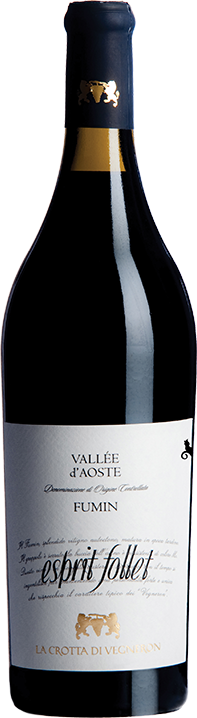
La Crotta di Vegneron

Owner Alessandro Neyroz
Year of Establishment 1980
Winemaker Andrea Costa
In 1980, a group of local winemakers foresaw viticulture as a way to revive their beautiful land in the Aosta Valley mountains. La Crotta di Vegneron, which translates to The Winemaker’s Cellar, was formed, and included 25 original members. By utilizing the areas around grazing land and fruit farms, they were able to safeguard the hillsides from natural disrepair in terms of hydrogeology. After nearly 40 years of work, the original vineyards that had been abandoned after World War II, have returned to their former glory, generating exceptional grape harvests. Today, there are more than 50 members producing 200,000 bottles of wine.
The grapes are collected from two important production areas that give their name to the Designations of Origin: Chambave, which includes the municipalities of Châtillon, Pontey, Saint Vincent, Saint Denis and Verrayes, and Nus, which includes the municipalities of Quart and Fénis. The soils of the Aosta Valley are of moraine origin, mainly composed of sand (80%) and the remaining part of silt. The clay content is minimal, at most 10%. The soil is sub-alkaline with an abundance of coarse sand and is usually not very deep. The 20km of the central valley going from Saint Vincent to the border between Nus and Quart are the driest portions of the Aosta Valley. The rainfall in the Chambave production areas is less than 500mm a year, dropping to under 90mm in the period between June and September. The winds are gusty, blowing daily from March to October, resulting in drastically lower humidity. In the summer, temperatures plummet overnight, which uniquely molds the aromatic profiles of these grapes. Due to these climatic conditions, manual irrigation is part of traditional farming practices.
The wines of La Crotta di Vegneron powerfully express the spirit of the Aosta Valley mountains through native or traditional vines, skillfully cultivated with pride. The winemaking processes are respectful of a unique territory marked by a multitude of variants. La Crotta’s story is based on people with solid roots in the glorious Alpine region. They are generations of skilled viticulturists who have an ongoing determination to achieve the highest quality from their vines. Today, they continue the ancestral tradition of the “compagnards”, drawing its strength from the ancient relationship between indigenous vines and the territory. The goal is to achieve sustainable precision viticulture, in which human intervention is compatible and respectful of the territory. ‘Hillside, sun, stone and wind’ is not just a slogan but the summary of their land: they are the pillars of sustainable viticulture.
Average annual production
180,000 bottles
Total vineyard extention
21 ha
Planted varietals and extension
Pinot Nero - 2 ha
Moscato Bianco - 8 ha
Syrah - 0,7 ha
Muller Thurgau - 2,20 ha
Pinot Grigio - 1 ha
Petit Rouge - 2,93 ha
Cornalin - 0,20 ha
Fumin - 2,10 ha
Gamay - 1,30 ha
Petite Arvine - 0,5 ha
Vine training system
Guyot - 85% -
Cordon spur - 85% -
Cultivation method in the vineyard
Grass is left or not depending on the vigour of the vines- 85% -
Grass left on the aisles between the vines- 15% -
Type of viticulture
Integrated - 100% - (certified by 'Equalitas')
Harvest Period
Between the first week of September and the last week of October
 info@lacrotta.it
  https://www.lacrotta.it
  +39 0166 46670